Walk a few blocks in Des Plaines on a humid July afternoon and you’ll see it in the way people shift their weight while waiting for coffee, or rub a calf absentmindedly at the farmers market. Leg heaviness, aching, bulging veins that throb by evening — these are common around Cook County, especially for people who stand on their feet at O’Hare, on hospital floors, in classrooms, or behind restaurant counters. What surprises many is how far modern vein care has cvva.care vein clinic near Des Plaines come. Painless vein removal isn’t a slogan, it’s a daily reality at well-run clinics. Procedures that once required a hospital stay now happen in a quiet room, take under an hour, and let you walk back to your car on your own legs.
I’ve helped patients in the Northwest suburbs for years, and I’ve seen the relief on day one, but also the long arc: sleep improves because legs stop buzzing at night, shoes fit again by late afternoon, skin stops itching, swelling stays down through the workweek. When someone searches “vein clinic near me” or “Des Plaines vein clinic,” they want to believe those outcomes are possible. They are, with the right evaluation and a tailored plan.
What “painless” actually means
No intervention is literally sensation-free, but the bar for comfort is high. In a typical visit for laser vein treatment Des Plaines patients describe a quick pinch with local anesthetic, a few minutes of pressure or warmth while the catheter does its work, and a strange lightness in the leg afterward. We use tumescent anesthesia — dilute lidocaine placed around the target vein using a very thin needle under ultrasound guidance — to numb the region and protect surrounding tissue. Patients stay awake, talk through the steps, and usually watch the vein close on the ultrasound screen. If anxiety runs high, a small dose of an oral anxiolytic can take the edge off, though most people do well without it.
The pain people fear is often the pain they’ve heard secondhand from relatives who had vein stripping decades ago. That old operation involved general anesthesia, groin incisions, and weeks of bruising. Today’s endovenous techniques rely on needles and micro-incisions the size of a freckle. At a Des Plaines IL vein clinic that does this daily, it feels like dental work for your legs — localized, quick, and surprisingly uneventful.
Why veins misbehave in the first place
Varicose veins and spider veins share a common problem: faulty valves inside the veins. Healthy valves keep blood moving up toward the heart. With chronic venous insufficiency, those valves weaken or fail and blood falls back with gravity, stretching the vein over time. The causes layer on each other. Genetics plays the starring role. Add standing for 8 to 12 hours a day, pregnancy, weight gain, prior leg injuries, or hormonal changes, and symptoms escalate sooner.
The early warnings are subtle: heavy calves by lunchtime, ankle swelling that leaves sock marks, restless legs at night, itchy patches around the ankle bone. Later come ropey veins that bulge under the skin and skin changes that look like a stubborn rash. Left too long, severe venous disease can cause ulcers near the inner ankle that heal slowly and recur. At a vein health clinic Des Plaines patients often arrive with a mix of cosmetic frustration and medical discomfort. Both deserve attention. Cosmetic vein treatment Des Plaines isn’t superficial if it prevents worsening disease, and medical vein treatment Des Plaines can also look better than you expect.
A realistic picture of diagnosis
A thorough vein evaluation Des Plaines starts with listening. When do your legs feel worst, and what makes them feel better? Do nights wake you with cramps or buzzing? Were pregnancies or job changes the turning point? Then comes a physical exam — standing, not lying down — because gravity tells the truth.
The core test is a duplex vein ultrasound. It maps your veins in real time and measures flow direction and velocity. In our area, a complete vein ultrasound Des Plaines often takes 30 to 45 minutes. It identifies which saphenous segments are leaking, whether perforator veins contribute, and if deep veins remain clear. We grade severity using tools like the CEAP classification and a symptom score. Those numbers matter for a reason: they help the Des Plaines vein doctor determine medical necessity for insurance, and they shape the order of treatment. Good phlebology is less about attacking visible bulges and more about treating the driver vein. Close the refluxing trunk, and the surface branches usually calm down.
Treatment options that fit regular life
Two truths guide a solid plan. First, we treat the source vein before chasing cosmetic branches. Second, we pick the least invasive method that reliably solves the problem.
Endovenous ablation is the workhorse. There are two dominant energy types: radiofrequency ablation and laser. Both deliver controlled heat along the inside of a faulty vein through a thin catheter. The vein closes, the body reroutes blood into healthy channels, and the closed vein withers over months. Radiofrequency ablation Des Plaines and laser vein treatment Des Plaines have similar success rates, typically 90 to 98 percent at one year. Choice comes down to anatomy, equipment, and physician training. Patients tend to report slightly less post-procedure soreness with radiofrequency, and slightly more bruising with certain laser wavelengths, but those differences are small. Either way, you walk in and out the same day.
Sclerotherapy Des Plaines is the go-to for spider veins and small varicose branches. A sclerosant solution or foam irritates the vein lining and collapses the vessel. No anesthesia is needed, just tiny needles and a steady hand. Expect a series of sessions for widespread spider webs, spaced several weeks apart. Foam sclerotherapy works well for tortuous veins that a catheter can’t navigate.
Ambulatory phlebectomy Des Plaines handles bulging, rope-like branches at the surface. Through micro-incisions, we remove segments of the vein with a small hook. Patients like it because they see immediate flattening. Bruising happens, then fades.
Vein surgery Des Plaines, meaning old-school vein stripping, is now rare. A few edge cases with massive reflux and scarring might still need a hybrid surgical approach. But at a modern Des Plaines vein treatment center, minimally invasive vein treatment Des Plaines solves the vast majority of cases.

Compression therapy Des Plaines plays a support role. Graduated stockings help symptoms and assist healing after procedures. For some, especially with mild disease or pregnancy, stockings plus lifestyle changes keep things stable. They don’t fix broken valves, so if you stop wearing them, symptoms return.
What a visit feels like, step by step
From the patient’s chair, a smooth experience is predictable, not mysterious. Here’s how it usually unfolds at a Des Plaines vein center that runs on time.
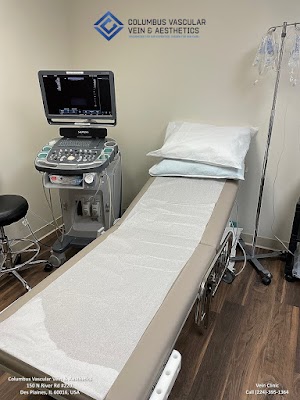
- Check in and a short conversation about symptoms, medical history, and goals. If you mention “vein treatment cost Des Plaines,” good staff will flag insurance questions early. A focused exam followed by duplex ultrasound mapping done standing. The technologist marks refluxing segments. The vein specialist reviews images, explains what’s driving your symptoms, and proposes a plan — for example, radiofrequency ablation of the great saphenous vein, then sclerotherapy for residual clusters. You meet the insurance coordinator. For many plans, venous insufficiency treatment Des Plaines needs documentation of failed conservative measures, such as 6 to 12 weeks of compression. Medicare vein treatment Des Plaines decisions follow clear criteria. If your condition is cosmetic only, you get an upfront estimate for elective care and optional financing information. On procedure day, you change into shorts, the leg is cleansed, local anesthesia is placed under ultrasound guidance, the catheter is positioned, and the vein is closed. The room feels more like a dental suite than an operating room. The whole visit might take 60 to 90 minutes, with the actual treatment portion 15 to 30 minutes. You leave wearing a compression stocking and go for a 15 to 20 minute walk, often around the block by the Des Plaines River Trail if the weather cooperates, then drive home.
That’s outpatient vein procedures Des Plaines in practice: simple logistics, predictable workflow, and little disruption to the rest of your day.
Recovery in real life
Most people return to work the next day, especially for desk jobs. If your job keeps you on your feet — say you work at the mall on Golf Road or in a school near Miner Street — plan breaks to walk and flex your ankles. Avoid heavy lifting over 25 to 30 pounds for a few days. Skip hot tubs for a week. Keep the compression stocking on continuously for 24 to 48 hours, then during the day for another week unless your vein specialist near me gives different advice.
Expect mild tenderness along the treated vein like a pulled muscle, chalk up a few tiny bruises, and consider acetaminophen if needed. Short walks every few hours are better than long stretches of sitting. If your calf suddenly swells or you feel chest pain or breathlessness — rare but serious — call the clinic or go to the emergency department. Good clinics review these red flags clearly before you leave.
A follow-up ultrasound a week or two later confirms closure and checks for rare clots in tributaries. After that, cosmetic touch-ups with sclerotherapy or phlebectomy address what remains visible. Many patients stack those visits two to four weeks apart.
Picking a Des Plaines vein clinic with your eyes open
Websites can make every place look the same. A few cues separate a top vein clinic Des Plaines from a generic listing.
First, look for a board certified vein doctor Des Plaines. Board certification might be in vascular surgery, interventional radiology, or internal medicine with a focus in phlebology. A phlebologist Des Plaines should have deep ultrasound experience and perform endovenous ablation regularly. Volume matters. Ask how many ablations the physician does per month and what their one-year closure rates are. Answers should sound specific, not vague.
Second, ask about a full toolbox. A Des Plaines vascular clinic that only offers one method tends to fit patients to the tool. Having radiofrequency ablation, laser, foam sclerotherapy, and ambulatory phlebectomy on site means they can match the technique to your anatomy, not the other way around.
Third, insurance fluency is a real skill. An insurance accepted vein clinic Des Plaines should verify benefits and explain pre-authorization, out-of-pocket estimates, and appeal processes. If you need to show a trial of compression first, they will document it and help you get proper stockings.
Fourth, read vein treatment reviews Des Plaines with healthy skepticism. Skip the generic “great doctor” posts and look for specifics about scheduling, recovery, and follow-through. Vein clinic ratings Des Plaines help, but a conversation with the staff tells even more. If someone picks up the phone and answers questions clearly, you’re on solid ground.
Medical necessity versus cosmetic goals
Here’s where judgment counts. A ropey great saphenous vein that refluxes two seconds on ultrasound and causes leg swelling is medical. Insurance considers endovenous ablation a covered venous disease treatment Des Plaines because it relieves symptoms and prevents progression. Spider veins alone are cosmetic in almost all plans. That doesn’t make treatment frivolous. It just shifts the conversation from coverage to value. When patients ask about “affordable vein treatment Des Plaines,” we break it down: a sclerotherapy session is priced per visit or per vial, and most patients need two to four sessions per leg for dense clusters.
For those with both medical and cosmetic concerns, the sequence matters. Treat the refluxing trunk first, then reassess. Often, surface veins flatten or fade somewhat on their own. After that, sclerotherapy cleans up what remains. It’s common to stage care over two to three months.
The myths that keep people suffering
The myths are stubborn. “If you close that vein, where will the blood go?” Your body routes blood through healthy veins, which usually work better once the leaky road is shut down. “Compression stockings will cure me.” Stockings help, but they don’t fix valve failure. “Varicose veins are just cosmetic.” The skin changes around the ankle, especially brownish staining and eczema, are inflammatory. Over time, they can progress to painful ulcers. “It hurts too much.” It shouldn’t. If you’re nervous, visit a Des Plaines phlebology clinic for a vein consultation Des Plaines and ask to see the equipment and process.
How lifestyle still matters
Even with perfect procedures, your daily habits decide how good your legs feel by sundown. If you’re on your feet all day, set a timer to move for two minutes every hour. Simple ankle pumps under the desk or in the break room help the calf muscle pump push blood upward. Keep a pair of properly fitted compression socks at work for days when swelling kicks in. Hydrate, not because water cures veins, but because dehydration worsens cramps. Keep weight in a comfortable range to reduce pressure on leg veins. If you smoke, every part of your vascular system benefits from quitting.
For those with a family history, start early. Prevent varicose veins Des Plaines doesn’t mean you can beat genetics, but you can slow the timeline. Walk more. Sit less. Don’t ignore a patch of itchy, darkened skin near the inner ankle. That’s not just dry skin — it’s a warning that pressure is too high.
Special situations we see often
Pregnancy: Hormonal changes and increased blood volume relax vein walls. Many women develop new spider veins or varicose veins during the second and third trimesters. We don’t do ablation during pregnancy unless there’s an urgent reason. Compression and elevation carry you through. After delivery, especially after breastfeeding ends, we reassess. About a third of pregnancy-related varicose veins improve, another third hold steady, and the rest progress.
Athletes: Runners and cyclists worry about losing performance. Properly treated veins improve oxygen delivery and reduce leg heaviness. We usually keep intense training light for a week after ablation, then ramp back in stages.
Older adults: Age alone doesn’t disqualify you. We treat active 70 and 80 year olds regularly. The bigger questions are mobility, skin health, and clot history. A careful ultrasound and medical review guide safe choices.
Prior DVT: A history of deep vein thrombosis requires a more nuanced plan. If the deep system is open, superficial ablation can still relieve symptoms. The Des Plaines vein specialist will review old imaging and possibly coordinate with a hematologist if clotting disorders are suspected.
Leg ulcers: Venous ulcer care Des Plaines works best when we combine wound care with targeted ablation of the refluxing vein feeding the ulcer bed. Compression without fixing the source is a revolving door.
Cost, timelines, and what “affordable” really means
Patients ask two practical questions: how many visits, and how much? For a straightforward great saphenous reflux in one leg, expect one ablation visit plus one to two follow-ups. If both legs need treatment, we often schedule the second leg a week or two later. Add sclerotherapy for surface veins, and you may add two or three short sessions, each about 20 to 30 minutes. From first consult to last touch-up, the whole arc can run six to ten weeks.
On cost, medical vein procedures billed to insurance vary by plan, deductibles, and out-of-pocket maximums. The clinic should provide a range before you commit. Cosmetic spider vein removal Des Plaines is usually an upfront fee per session. Some practices offer vein treatment financing Des Plaines for elective care. Ask for clarity in writing.
“Affordable vein care Des Plaines” isn’t a magic phrase. It’s a mix of choosing the right intervention the first time, minimizing missed work, and avoiding treatments that don’t address the root cause. Good planning saves money as much as symptom relief saves sanity.
Where quality shows up day to day
You can feel a high-quality Des Plaines vein clinic in the small interactions. The ultrasound image is explained, not hidden. The nurse checks on you the evening after a procedure. You are given a direct line for concerns over the weekend. The physician remembers whether your symptoms worsen during long lectures or on double shifts. When someone says “same day vein consultation Des Plaines,” it’s real, not a marketing hook, and they can triage urgent leg swelling quickly.
In a well-run Des Plaines vein center, you’ll also notice restraint. Not every vein visible on the surface needs a needle. Not every cosmetic spider web must be erased. Excellent results often come from doing enough, then letting your body settle for a few weeks, then fine-tuning with a lighter touch.
A day in clinic: two quick stories
A teacher from Park Ridge arrived before the school year with throbbing varicose veins and ankle swelling that started by third period. Her ultrasound showed great saphenous reflux to the mid-calf on both legs. We scheduled radiofrequency ablation for the worse leg first, a week apart from the second. Each visit took about an hour, and she was back in the classroom the next day. Two weeks later, her evening calf ache was gone, and sock dents at 5 p.m. were history. She returned a month later for brief ambulatory phlebectomy of a stubborn cluster near the knee. She still wears light compression on parent-teacher conference days.
A restaurant manager from Des Plaines near Lee Street had clusters of spider veins around both ankles and no significant reflux on ultrasound. We chose sclerotherapy in three sessions per leg. She timed visits on Monday mornings, walked the rest of the day, and wore stockings for a week after each session. At her three-month review, 70 to 80 percent of the visible webs had faded. She’s budgeting a maintenance session in a year if needed, which is typical when genetics stays in the driver’s seat.
How to get started without spinning your wheels
If you’re searching “vein treatment near me,” a clean next step is simple: schedule a vein screening Des Plaines. A screening visit doesn’t commit you to anything. It clarifies whether what you feel is actually venous disease and what category you fall into. Bring the basics — a list of medications, any prior leg imaging, and a summary of your symptoms. Wear or bring shorts. If you already use compression, bring the pair so the staff can check the fit.
For many, the biggest regret after treatment is waiting so long. People live with nightly calf cramps for years because they think veins are a vanity issue. Then they sleep through the night for the first time in a decade and wonder why they put it off. If you’re torn between clinics, ask for a quick meet-and-greet with the Des Plaines vein specialist. The right fit will be obvious within five minutes.
The promise of modern vein care in the Chicago area
Across the Chicago area vein clinic network, including the Northwest suburbs vein clinic landscape, the standard has shifted. Minimally invasive care is normal. Walk-in visits for urgent issues are possible. Non surgical vein treatment Des Plaines dominates, not because it is trendy, but because it’s safer, faster, and yields better outcomes than the old operations. In the hands of an experienced vein specialist Des Plaines, the phrase “painless vein removal Des Plaines” matches the day you have it done.
You deserve a plan that respects your schedule and fixes the cause, not just the appearance. Whether you need chronic venous insufficiency Des Plaines care with endovenous ablation and follow-up, or targeted spider vein treatment Des Plaines with sclerotherapy, the path is clearer than most expect. Ask questions. Seek a board certified physician. Insist on ultrasound-guided decisions. And choose the clinic that treats you like a partner in your own recovery, from the first phone call to the last follow-up.
If you’ve read this far because your legs are heavy by noon, that’s reason enough to act. Book a vein clinic appointment Des Plaines, let a Des Plaines vein doctor map what’s happening, and decide from there. Relief rarely requires a hospital, and comfort is built into the process. Modern vein care is gentle, precise, and tailored. Your daily walk along the Des Plaines River Trail will tell you when it’s working — the distance gets a little longer, and the legs feel quietly, blissfully normal again.