Walk into a well-run vein care center, and you’ll notice the pace. It’s unhurried but efficient, clinical but not cold. The patients have different stories, yet many share the same frustrations: aching legs at the end of the day, heavy calves that resist a morning run, clusters of spider veins that bother them in photos, a bulging varicose vein that throbs after long drives. If it’s your first time seeing a vein specialist, the process can seem opaque from the outside. Here’s a clear picture of what happens inside a modern vein clinic and how to prepare for that first visit.
What a vein care center does, and what it does not do
A comprehensive vein clinic focuses on problems of the superficial and perforator veins, and, when needed, partners with vascular surgery for deep venous issues. Typical services include evaluation for venous reflux, minimally invasive treatments like endovenous laser or radiofrequency ablation, ultrasound-guided foam sclerotherapy, and cosmetic spider vein removal. These centers also manage complications of chronic venous insufficiency such as skin changes and nonhealing leg ulcers. A good clinic will offer a spectrum, from conservative measures to definitive procedures.
The clinic is not an urgent care for blood clots, nor a one-stop shop for every leg problem. If you develop sudden calf swelling, chest pain, or shortness of breath, you go to the emergency department. The venous disease center is where you sort through the long arc of vein problems: persistent symptoms, recurrent varicose veins, skin discoloration around the ankle, swelling that worsens through the week, or embarrassing spider veins that won’t fade with creams.
It helps to know the language. Phlebology is the field that covers vein disorders. A phlebologist can be a vein physician trained in interventional radiology, vascular surgery, or another background with dedicated vein training. You’ll meet this person on day one, often alongside a registered vascular technologist who performs the ultrasound.
How to prepare for your first appointment
Paperwork, yes, but also a few small steps can make your clinic for vein treatments evaluation more accurate. Wear or bring shorts. Jot down what your legs feel like at their worst and their best. If you already own compression stockings, bring them, and note their strength, usually printed as mmHg. List your medications, especially blood thinners or hormone therapy, and be honest about smoking and activity level because they shape both risk and recovery.
Insurance often requires a trial of conservative therapy. That usually means documentation of compression use for a defined period, typically 6 to 12 weeks, before authorizing a procedure. It’s tedious, and every vein doctor empathizes. Still, if you bring proof that you’ve been wearing 20 to 30 mmHg stockings and tried leg elevation, it can save weeks. If your primary complaint is purely cosmetic, such as isolated spider veins with no symptoms, insurance generally doesn’t cover treatment. A reputable spider vein clinic will be transparent about costs during your vein consultation.
The tone is medical, the conversation is personal
Expect the first 20 minutes to feel like a careful interview. A vein specialist will ask when symptoms started, what time of day they peak, whether pregnancy or jobs with prolonged standing made things worse, and if anyone in your family had vein problems. They’ll ask about prior procedures. Vein stripping done 20 years ago has different implications than a radiofrequency ablation five years back.
A small detail can change the plan. I once evaluated a runner who had calf cramps and ankle swelling after switching to a standing desk. The symptom curve peaked at 4 p.m., not during her morning runs. It turned out to be significant reflux in her great saphenous vein that the new work setup unmasked. Her solution wasn’t to abandon the desk; it was targeted ablation and a smarter schedule for breaks.
The exam is thoughtful, not theatrical. The physician will inspect your legs with you standing, so varicose patterns fully show. They’ll look for skin changes, often a bronze or reddish-brown coloration near the inner ankle, small clusters of dilated veins, and areas of tenderness along a ropey vein. They may check for ankle range of motion and calf pump function because poor mechanics can aggravate venous pressure. Importantly, they’ll ask where it hurts. Venous pain has a pattern: heavy, achy, worse by evening, improved with elevation or compression.
" width="560" height="315" style="border: none;" allowfullscreen="" >
Ultrasound is the map
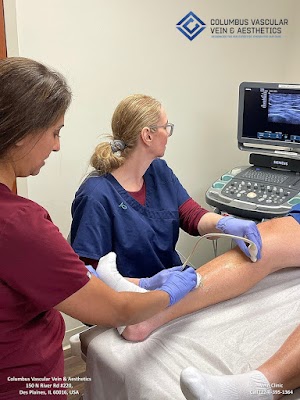
At a vein ultrasound clinic, the duplex ultrasound is the core test. It visualizes vein anatomy and, more importantly, the direction and speed of blood flow. If the valves aren’t closing, blood falls back down the leg, a process called reflux. The technologist will examine the great and small saphenous veins, accessory branches, and major perforators. They may test in both standing and reverse Trendelenburg positions, with a series of gentle squeezes to provoke flow. It’s painless, although the gel can be cool and the session can run 20 to 45 minutes.
Results are immediate and form the backbone of your treatment plan. Reflux time matters, typically measured in seconds. A common threshold is more than 0.5 seconds for reflux in superficial veins, though protocols vary a bit. The technologist will record diameters as well. A saphenous vein at 8 mm with symptomatic reflux is different from a 3.5 mm vein, and the energy settings or technique choices will reflect that.
If your ultrasound shows no reflux and your symptoms are minor, treatment often leans toward lifestyle changes, calf strengthening, and cosmetic options if spider veins bother you. If reflux is significant and you have symptoms or skin changes, your vein doctor will discuss interventions.
Crafting a plan: conservative first, procedural when indicated
A modern vein treatment center offers a ladder of options. Not every patient needs a procedure. And not every leg looks better with cosmetic injections alone if there’s hidden reflux feeding those surface veins. Here is where an experienced vein expert earns their keep, weighing anatomy, goals, and insurance realities.
Conservative care works for many: compression stockings, calf raises to improve the muscle pump, weight management, and leg elevation at the end of the day. Stockings come in classes, and a venous clinic can fit you properly. If your job involves long standing, the vein health clinic might write a medical letter to request sit-stand flexibility, or schedule breaks that encourage movement. These changes can reduce symptoms even if they don’t remove the varicose veins.
When procedures make sense, they are usually outpatient and done in a minimally invasive vein clinic setting. The most common are thermal and chemical approaches, often used in combination. The procedures are steady and predictable in experienced hands, with success rates above 90 percent for durable closure of target veins over one to three years. Recurrence can happen, sometimes from new reflux pathways that form slowly over time, which is why follow-up is part of the culture in a good vein institute.
What happens if you need a procedure
If your plan includes ablation, sclerotherapy, or phlebectomy, the first visit includes counseling and scheduling. You’ll sign consent forms, receive pre-procedure instructions, and sometimes get measured for new stockings. Clinical photos document your baseline. Most patients go home the same day and return to work within one to three days, depending on the job.
Here’s how common procedures in a vein procedure clinic typically unfold:
Endovenous thermal ablation. This includes radiofrequency ablation and endovenous laser treatment. Under local anesthesia, a catheter is placed inside the refluxing vein, often the great saphenous vein. Tumescent anesthesia, a dilute solution, is injected along the vein to numb tissue and protect surrounding structures. Then controlled heat through the catheter closes the vein from the inside. The procedure time is commonly 30 to 60 minutes per leg. Walking is encouraged immediately after. Bruising and tenderness along the treated tract are normal for a week or two. The chance of deep vein thrombosis is low, generally under 1 to 2 percent in most series, and clinics mitigate it with early ambulation and risk screening.
Ultrasound-guided foam sclerotherapy. The vein doctor injects a sclerosant solution, often polidocanol or sodium tetradecyl sulfate, mixed as a foam to displace blood and contact the vein wall. It’s precise, guided by ultrasound to reach segments not suited to thermal ablation. An experienced phlebologist can treat tributaries, perforators, and recurrent segments around old treatment sites. Expect compression for several days afterward and possible transient matting, which are fine red vessels that sometimes appear and then fade.
Ambulatory phlebectomy. For bulging surface varicosities, tiny punctures along the vein allow removal with a small hook. It sounds medieval and is anything but. The incisions are tiny, usually without stitches, and the results for contour are immediate. Phlebectomy is often paired with ablation to address both the trunk and the branches in one plan.
Surface sclerotherapy for spider veins. At a spider vein clinic or vein aesthetics clinic, this is the most common cosmetic treatment. No anesthesia is needed. Series of small injections close clusters of spider veins. Multiple sessions are typical, spaced weeks apart, and results evolve gradually. If a vein ultrasound shows underlying reflux feeding the area, your vein physician may recommend addressing that first so cosmetic work lasts.
Glue and nonthermal options. Cyanoacrylate adhesive systems and mechanochemical ablation appeal to patients who prefer no tumescent anesthesia and minimal post-procedure compression. They are not right for every anatomy or insurance plan, but they expand the toolkit for select cases.
Safety, risks, and what a good clinic will tell you upfront
Every procedure carries risk. In a well-run vein surgery center, the consent conversation is straightforward. Thermal ablation risks include bruising, temporary nerve irritation causing numbness along the shin with small saphenous work, superficial thrombophlebitis, and rare heat-related skin injury. Sclerotherapy risks include skin staining, matting, and very low risk of ulceration if sclerosant enters an arterialized area. Anaphylaxis is rare with modern agents. A vein ablation clinic will screen for history of clotting disorders, migraines with aura, and medications that elevate clot risk.
An honest vein physician will also talk about expectations. Procedures improve symptoms quickly for many. A patient who used to dread long flights often feels relief on the first post-op trip. Cosmetic results take patience. Spider veins can look worse before they look better, as the treated networks harden and then get cleared by the body over weeks to months. A varicose vein specialist aims for durable correction, not overnight perfection.
Aftercare and the first few weeks
Right after a procedure, you’ll walk. Clinics encourage 20 to 30 minutes of walking daily for the first week. Compression is often worn continuously for 24 to 48 hours, then during the day for a week or two. Avoid heavy leg workouts or hot tubs for several days. Most people resume desk work the next day, light duty jobs within a day or two, and heavier labor in 3 to 7 days depending on the extent of treatment and your baseline fitness.
Follow-up is purposeful, not perfunctory. A post-procedure ultrasound, usually within a week, confirms the target vein is closed and there is no extension of clot into the deep system. If a tributary vein needs fine tuning, the vein treatment specialist may schedule a brief touch-up sclerotherapy session. If you had spider vein therapy, you’ll likely return in 4 to 8 weeks to assess progress and plan the next pass, if needed.
Cost, coverage, and tricky corners
The insurance landscape is uneven. Symptomatic venous insufficiency documented by reflux typically qualifies for coverage after a conservative therapy trial. Isolated cosmetic spider veins nearly always fall outside coverage. A transparent vein medical center will provide a written estimate and explain what is bundled and what is separate. Ask how they handle charges for ultrasound, facility, and professional fees. Some centers are one-stop, with an in-house vein ultrasound clinic and procedure suite, which can streamline billing. Others coordinate with a vascular clinic or hospital-based lab that bills separately.
Self-pay packages exist for cosmetic care, and they vary. Expect ranges rather than fixed prices because the number of sessions for spider vein removal depends on the density and distribution of veins and whether underlying reflux is present. Be wary of too-good-to-be-true offers. Sclerotherapy is technique dependent. A little more spent at an experienced vein therapy clinic usually saves you frustration.
Special groups who benefit from tailored plans
Pregnancy. Many women develop varicose veins or spider veins during pregnancy due to hormonal changes and increased blood volume. Most procedures wait until after delivery and nursing. Compression and activity habits matter during pregnancy. A vein wellness center can coach you through a pragmatic plan and revisit interventions later.
Athletes. Runners, cyclists, and lifters often notice venous symptoms as training volume climbs. They also fear downtime. The good news is that ablation and phlebectomy generally allow quick returns. When I treat endurance athletes, I plan around key races and isolate one leg at a time if needed to keep training moving safely.
People with desk-bound jobs. The combination of long sitting and little calf activation feeds reflux. These patients feel aches by late afternoon that rebound with evening walks. A vein circulation clinic can help with micro-breaks and calf activation routines that fit inside a workday. The delta between a sedentary schedule and one with short, frequent movement is big.
Patients with leg ulcers. A leg ulcer clinic within a venous treatment center approaches healing from two angles: pressure control with compression and definitive reflux correction. Ablation of the culprit vein can accelerate closure of stubborn ulcers, sometimes halving healing time compared to compression alone. Wound care protocols, nutrition, and edema management all matter and are tracked weekly.
Recurrent varicose veins. Prior surgery or ablation doesn’t guarantee a smooth future. New pathways can develop. The solution is not to blame the past, but to re-map with ultrasound and adjust tactics. Foam sclerotherapy often shines in these scenarios because it can chase complex tributaries.
How to spot a high-quality vein center
You can learn a lot within the first five minutes. The best centers feel organized without being scripted. Staff can explain what a reflux study is in plain language. The physician shows you ultrasound images and translates the findings into everyday terms. When you ask about alternatives, you get a thoughtful answer rather than a single hammer for every nail.
Training matters less than philosophy. Excellent care is delivered by interventional radiologists, vascular surgeons, and internists with dedicated vein training. What you want is a vein health specialist who integrates ultrasound findings, symptoms, and your goals into a coherent plan. Look for a clinic that publishes their protocol for DVT prevention, offers same-day walking post-op, and has a clear follow-up cadence.
Below is a brief checklist you can save for your first visit.
- Do they perform a complete duplex ultrasound in-house and show you the results? Are conservative measures discussed and documented, even if you plan a procedure? Can they explain why an ablation, foam, or phlebectomy fits your anatomy? Do they review risks, aftercare, and expected timelines without sugarcoating? Is there a clear plan for follow-up and touch-ups if needed?
A walk-through: what the day might look like
Imagine a Tuesday morning slot at an advanced vein clinic. You check in, hand over forms, and change into shorts. The technologist greets you by name and asks about the worst symptoms and when they peak. The ultrasound takes 30 minutes. You stand with one leg slightly bent, then lie down for the deep system survey. The tech calls out measurements while capturing images. Reflux times appear on the screen: 1.6 seconds in the great saphenous vein at mid-thigh, 0.2 seconds at the knee. The measurements are annotated.
Next you meet the vein doctor. They review the map. They trace with a pen where the varicose clusters correlate to the refluxing trunk and tributaries. They propose a plan: radiofrequency ablation of the great saphenous vein, plus phlebectomy of the anterior thigh cluster, and a follow-up session of ultrasound-guided foam for a calf tributary. They also discuss an alternative plan that avoids phlebectomy, relying entirely on foam, but explain that the cosmetic contour may take longer to settle.
You ask about downtime, and they say you can work from home the next day, wear stockings for a week, and resume light running in 5 days. You ask about cost, and the care coordinator outlines what insurance covers and what falls into cosmetic territory. You leave with a printed plan, compression stocking prescription, and a procedure date.
Two weeks later you return for the procedure at the outpatient vein clinic. The room is bright, the music is forgettable, and the team is calm. Local anesthesia pinches a bit. You feel tugging but no pain during ablation. Phlebectomy uses tiny openings that you can barely find by the time you stand up. The nurse wraps your leg, helps you into stockings, and tells you to walk around the block before driving home. That evening your leg feels tight but manageable with acetaminophen and a short walk.
A week later, the follow-up ultrasound shows a closed saphenous vein, with no extension into the deep system. You mention a tender cord near the shin. The doctor smiles and says superficial thrombophlebitis is common in the healing phase, shows it on the screen, and suggests warm compresses. By week three your evening heaviness, the symptom that pushed you to seek help, is gone.
Why timing matters and when to wait
There is no wrong season to treat veins, but there are better weeks for certain people. If you’re a teacher, summer is nice because stockings on a hot campus are no fun. If you’re a frequent flyer, avoid procedures in the 5 to 7 days before a long-haul flight to reduce clot risk and discomfort. If you have a big outdoor wedding and you’re planning spider veins treatment, start at least 2 to 3 months prior to allow time for fading and touch-ups. Winter can be ideal because stockings fit easily under jeans and results reveal themselves in time for spring.
Sometimes waiting is prudent. Active infection near a procedure site, poorly controlled medical conditions, late-stage pregnancy, or travel that prevents proper follow-up are reasons to delay. A professional vein treatment approach favors durable outcomes over rushed schedules.
Small details that add up
Little decisions shape recovery. I encourage patients to sleep with a small pillow under the calves the first few nights to keep the legs slightly elevated by gravity. I also suggest setting a phone reminder to walk twice daily in the first week, since routines falter once the initial excitement passes. If you bruise easily, arnica gel can help, although evidence is mixed. Hydration matters. The day of your procedure and the day after, drink a little more water than usual. Blood is thicker when you’re dry, and hydrated soft tissues accept anesthetic more comfortably.
One more habit that pays outsize dividends: calf raises at the kitchen counter, three sets of 15 every other day. The calf is the second heart for venous return. Training it is cheap and effective across age groups.
The broader ecosystem: clinics, centers, and specialists
You’ll see many variations on the name: vein and vascular clinic, venous insufficiency clinic, vein medical spa, vein removal clinic, venous disease center, vein sclerotherapy clinic, or vein surgery clinic. Names signal emphasis but don’t guarantee quality. A cosmetic vein clinic may excel at spider vein removal yet still evaluate for reflux. A vascular vein clinic inside a hospital may handle complex deep venous reconstructions but move slowly on the cosmetic side. An interventional vein clinic run by radiologists may have deep ultrasound expertise and a broad palette of techniques.
What unites the best programs is comprehensive vein care, tailored to your anatomy and goals. They don’t oversell. They educate, measure, treat, and follow. If your legs feel heavy every night, if your ankle skin is changing color, if you have varicose veins that embarrass you in shorts, or if you simply want an expert’s take on what’s going on, a vein evaluation clinic can give you clarity and options.
A brief starter pack for patients
- Bring shorts, a medication list, and any prior vein procedure notes or compression stocking details. Expect a standing exam and a full duplex ultrasound with reflux measurements. Ask to see your vein map and to hear two treatment pathways with pros and cons. Plan on walking the same day after most procedures and wearing compression for about a week. Schedule follow-up ultrasound and, if needed, a cosmetic session once healing settles.
Your first visit to a vein health center is not just about getting on the schedule for a procedure. It’s a chance to understand your legs, to see exactly why they feel the way they do, and to hear concrete options that match your life. That clarity alone often brings relief. The rest is a matter of good technique, honest guidance, and a team that handles details so you can get back to the parts of your life that matter.